Why Every Car Owner Needs a 12 Volt Car Air Pump Today
A 12 volt car air pump is one of the most practical tools you can keep in your vehicle. Whether you face a flat tire on a lonely road or simply need to top off your tires before a long trip, a portable tire inflator gives you instant control. In this guide, you will learn why every car owner needs a 12 volt car air pump today.
Key Takeaways
- Instant tire fixes: A 12 volt car air pump lets you inflate flat tires in minutes without waiting for roadside help.
- Cost savings: Avoid costly tow fees and tire shop visits by handling inflation emergencies yourself.
- Portability: Compact 12V tire inflators fit easily in your glove box or trunk.
- Versatile use: These portable tire inflators work for cars, trucks, bikes, and even air mattresses.
- Safety boost: Properly inflated tires improve handling, braking, and fuel efficiency.
- Easy to use: Modern 12 volt air pumps are lightweight and simple enough for anyone to operate.
- Long-term reliability: A quality portable inflator lasts for years with minimal maintenance.
📑 Table of Contents
- Introduction
- What Is a 12 Volt Car Air Pump?
- Why Every Car Owner Needs a 12 Volt Car Air Pump
- How to Choose the Right 12 Volt Car Air Pump
- Common Mistakes When Using a 12 Volt Car Air Pump
- Quick Tips for Getting the Most Out of Your 12 Volt Car Air Pump
- Expert Insights on 12 Volt Car Air Pumps
- Conclusion
Introduction
Imagine you are driving down a quiet highway. Suddenly you hear a loud thump. Your tire is flat. You have no cell signal. You are miles from the nearest service station. What do you do?
This is exactly where a 12 volt car air pump saves the day. This small, powerful device can bring your tire back to life in just minutes. It plugs right into your car’s cigarette lighter socket. No batteries. No electricity. No waiting around.
In this article, we will show you why a portable tire inflator belongs in every car. You will learn how it works. You will see the real benefits. And you will discover how to pick the right one for your vehicle.
What Is a 12 Volt Car Air Pump?
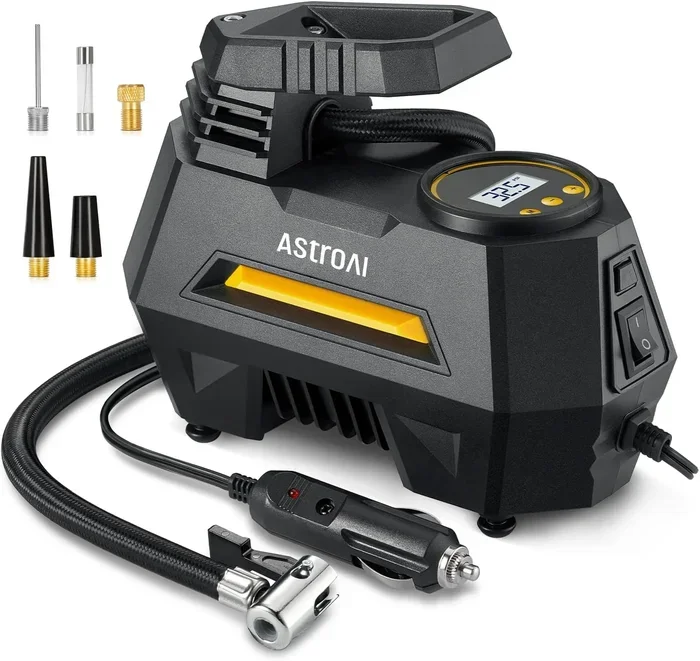
A 12 volt car air pump is a compact inflation device that runs on your car’s 12-volt power outlet. It is also called a portable tire inflator or a 12V air compressor. You plug it into the cigarette lighter or accessory port in your vehicle. The pump then draws power from your car battery to push air into your tires.
How It Works
The mechanism is simple. When you turn on the pump, a small motor drives a piston or diaphragm. This creates suction and pulls air in through an intake filter. The air gets compressed and pushed through a hose into your tire valve. A built-in gauge lets you set the pressure you need.
Most 12 volt tire inflator units come with a digital or analog pressure gauge. This helps you avoid overinflating. Some advanced models even shut off automatically when the target pressure is reached. That feature makes them very user-friendly.
Types of 12V Air Pumps
Not all portable tire inflators are the same. Here are the main types you will find:
- Basic manual inflators: These have a simple on-off switch and a pressure gauge. They are affordable and reliable.
- Automatic inflators: These let you set a target PSI. The pump stops on its own when the pressure is reached.
- Dual-power inflators: These work with both a 12V car outlet and a rechargeable battery. They offer more flexibility.
- Heavy-duty inflators: These are built for trucks and larger vehicles. They deliver higher airflow and pressure.
Why Every Car Owner Needs a 12 Volt Car Air Pump
You might think tire inflation is not a big deal. But a 12 volt car air pump solves problems you did not even know you had. Here are strong reasons to own one today.
Emergency Flat Tire Assistance
A flat tire can happen anytime. A portable tire inflator lets you handle the situation yourself. You do not need to wait for a tow truck. You do not need to walk miles to find help. Just plug in the pump, attach the hose, and inflate your tire enough to reach a service station.
Even a small leak can be managed with a 12V tire inflator. It gives you mobility and peace of mind. You stay in control of the situation. That confidence alone makes it worth owning one.
Cost Savings on Tow Fees and Repairs
Roadside assistance is expensive. A simple tow can cost you $75 to $150. If you are far from town, the bill grows even higher. A 12 volt tire inflator costs a fraction of that price. One use of the pump can save you hundreds of dollars.
Over time, the savings add up. You avoid unnecessary trips to the tire shop for minor pressure issues. You also prevent further tire damage caused by driving on a low-pressure tire. Proper inflation protects your investment in your tires.
Improved Fuel Efficiency
Did you know that underinflated tires can reduce your fuel economy by up to 3 percent? That might sound small. But over a year of driving, it adds up to real money lost. A portable tire inflator helps you keep all four tires at the recommended PSI.
Properly inflated tires have better contact with the road. They roll more smoothly. They create less friction. The result is better gas mileage and a smoother ride. A 12V air pump makes it easy to check and adjust tire pressure whenever you need to.
Road Trip Readiness and Long-Distance Driving
Road trips are exciting. But they come with risks. Long drives put extra stress on your tires. Temperature changes can affect tire pressure. A 12 volt car air pump keeps you prepared for anything.
Before you hit the highway, you can quickly check all tire pressures. If something drops along the way, you fix it right away. You do not need to search for a gas station with an air pump. Your portable tire inflator travels with you. That readiness makes long drives much safer and more enjoyable.
Versatility Beyond Car Tires
A 12 volt tire inflator does much more than inflate car tires. It is a versatile tool for many tasks around your vehicle and home. Here are some common uses:
- Bicycle tires: Keep your bike tires properly inflated for a smooth ride.
- Motorcycle tires: Handle two-wheeler inflation with the same portable inflator.
- RV and trailer tires: Maintain proper pressure on larger vehicles.
- Air mattresses and inflatables: Use it for camping gear or pool toys.
- Sports equipment: Inflate footballs, basketballs, or soccer balls quickly.
This versatility makes a 12V air pump a practical addition to your garage and your car. One tool serves many purposes.
How to Choose the Right 12 Volt Car Air Pump
Not every portable tire inflator is created equal. Choosing the right one depends on your needs. Here are the key factors to consider.
Airflow Rate and PSI Capacity
The airflow rate determines how fast the pump can inflate your tires. It is measured in liters per minute (LPM) or cubic feet per minute (CFM). A higher airflow rate means faster inflation. Look for a 12 volt car air pump that delivers at least 2.5 CFM for car tires.
PSI capacity is also important. Most car tires need around 30 to 35 PSI. But light trucks and SUVs may need up to 60 PSI. Check the product specs to make sure the pump matches your vehicle’s requirements.
Size, Weight, and Portability
A 12V tire inflator should be easy to carry. You do not want a heavy, bulky unit taking up space. The best portable tire inflators weigh between 1 and 3 pounds. They fit easily in a glove box, center console, or trunk.
Look for models with a built-in handle or compact design. Some come with a carrying case. Portability matters especially if you travel often or keep the pump in your car full time.
Power Source and Cord Length
Most 12 volt air pumps plug directly into the cigarette lighter socket. The power cord is usually between 10 and 16 inches long. Make sure the cord is long enough to reach all four tires comfortably.
Some models offer dual power options. They work with both a 12V outlet and a rechargeable lithium battery. These dual-power units are great if you want to use the pump away from your vehicle. They are slightly more expensive but very convenient.
Gauge Accuracy and Ease of Use
Accurate pressure readings are critical. A cheap gauge can give you false readings. You risk overinflating or underinflating your tires. Choose a portable tire inflator with a reliable digital or analog gauge.
Digital gauges are easier to read. They often display pressure in PSI, bar, and kPa. Analog gauges are durable and do not need batteries. Pick whichever style feels most comfortable for you. Just make sure the readings are accurate and consistent.
Durability and Build Quality
A 12 volt car air pump should withstand regular use. Look for models with a solid metal motor housing and sturdy construction. Cheap plastic units tend to break down faster. A durable pump lasts longer and performs better under heavy use.
Check customer reviews for reliability feedback. Reputable brands often offer warranties. A warranty gives you added protection and confidence in your purchase.
Common Mistakes When Using a 12 Volt Car Air Pump
Even a simple 12V air pump can be used incorrectly. Here are common mistakes to avoid.
Overinflating Your Tires
More pressure is not always better. Overinflated tires ride harder and wear unevenly. They can also lose grip on wet roads. Always check your vehicle’s recommended PSI, which is listed on the driver’s side door jamb or owner’s manual. Use your portable tire inflator gauge to stop at the correct pressure.
Ignoring the Cold Tire Rule
Tire pressure changes with temperature. Cold tires show lower pressure. Hot tires show higher pressure. For the most accurate reading, check your tire pressure when the car has been sitting for at least three hours. This is called the cold tire rule. A 12 volt car air pump works best when you measure pressure correctly.
Using the Wrong Adapter
Not all tire valves are the same. Most cars use standard Schrader valves. Some European vehicles use Presta valves. Make sure your 12 volt tire inflator comes with the correct adapters. Using the wrong adapter can cause air leaks and inaccurate readings.
Forgetting to Check the Power Connection
A weak connection can cause the pump to stop mid-inflation. Make sure the cigarette lighter plug is fully inserted. If your car’s accessory port is loose, use a direct battery clamp if your pump includes one. A solid power connection keeps your 12V air pump running smoothly.
Quick Tips for Getting the Most Out of Your 12 Volt Car Air Pump
Here are practical tips to help you use your portable tire inflator like a pro.
- Keep it plugged in: Store your pump in your car with the cable neatly coiled. This ensures it is always ready when you need it.
- Check pressure monthly: Make it a habit to check all tire pressures once a month. A quick session with your 12 volt car air pump takes only minutes.
- Use a tire pressure gauge separately: Even if your pump has a built-in gauge, keep a separate handheld gauge for cross-checking accuracy.
- Clean the air filter: Dust and debris can clog the intake filter. Clean it regularly to keep the motor running efficiently.
- Do not run the pump continuously: Most 12V tire inflators should not run longer than 15 minutes continuously. Let the motor cool down between uses.
- Store in a cool, dry place: Extreme heat or moisture can damage the pump. Keep it in your trunk or a sealed bag when not in use.
Expert Insights on 12 Volt Car Air Pumps
Automotive experts and mechanics strongly recommend keeping a portable tire inflator in every vehicle. According to professional technicians, a 12 volt car air pump is one of the top three tools every driver should own. The other two are a jack and a lug wrench.
Mechanics also point out that most tire-related breakdowns start with low pressure. A simple 12V air pump can prevent these issues before they become serious problems. Tire experts recommend investing in a quality model with a good airflow rate and accurate gauge. Cheap models may save money upfront. But they often fail when you need them most.
Road safety organizations also support this advice. Properly inflated tires reduce accident risk. They improve stopping distance. They handle better on curves and slippery surfaces. A 12 volt tire inflator is a small tool with a big impact on safety.
Conclusion
A 12 volt car air pump is not just a nice-to-have. It is a must-have for every driver. It gives you emergency preparedness, saves you money, improves fuel efficiency, and keeps your tires safe. Whether you drive a compact car, a truck, or an RV, a portable tire inflator fits your needs.
Choosing the right 12V air pump takes a little research. Focus on airflow, PSI capacity, portability, and build quality. Avoid common mistakes like overinflating or using the wrong adapters. Follow the quick tips in this guide. You will get years of reliable service from your pump.
Do not wait for a flat tire to realize you need one. Add a 12 volt car air pump to your vehicle today. It is one of the smartest and easiest upgrades you can make. Stay prepared. Stay safe. Stay confident on every road.
Frequently Asked Questions
How long does it take to inflate a tire with a 12 volt car air pump?
Most 12 volt car air pump units can inflate a slightly low tire in 3 to 5 minutes. If the tire is completely flat, it may take 10 to 15 minutes depending on the pump’s airflow rate.
Can a 12V tire inflator work for trucks and SUVs?
Yes, many portable tire inflators are designed to handle trucks and SUVs. Look for a model with at least 4.0 CFM airflow and 60 PSI capacity for larger vehicles.
Is it safe to leave a 12 volt car air pump plugged in while driving?
It is not recommended. You should unplug the 12V air pump before driving. Driving with the pump plugged in can damage the cord and create a safety hazard.
Can I use a 12 volt car air pump without starting my car?
Some 12 volt tire inflators work with a rechargeable battery. These can be used without starting the car. Standard plug-in models require the car to be running or the battery to have enough charge.
How often should I check my tire pressure with a portable tire inflator?
Experts recommend checking tire pressure at least once a month. Temperature changes and regular driving can affect pressure. A monthly check with your 12 volt car air pump keeps your tires in top shape.
What should I look for in a budget 12V car air pump?
Even on a budget, look for a portable tire inflator with at least 2.5 CFM, a reliable pressure gauge, and a durable build. Avoid the cheapest models with no brand support or warranty. A mid-range 12V air pump offers the best balance of price and performance.