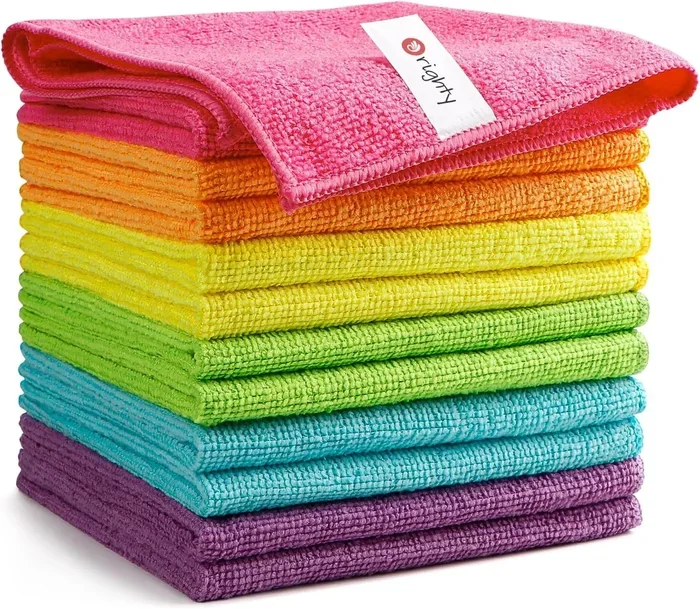
3m Microfiber Cloth for Car Why It Is a Game Changer
The 3m microfiber cloth for car is one of the most popular tools among car enthusiasts and detailers. It offers scratch-free cleaning, superior absorbency, and streak-free drying that regular cloths simply can’t match. In this guide, you’ll learn everything about choosing, using, and maintaining your premium microfiber fabric for a flawless car finish.
Key Takeaways
- Ultra-soft fibers: The 3m microfiber cloth for car paint is gentle enough to prevent swirl marks and scratches during cleaning.
- Superior absorbency: These towels absorb up to seven times their weight in water, making streak-free drying effortless.
- Versatile use: You can use a single 3m microfiber towel for washing, waxing, polishing, and interior detailing.
- Durability: With proper care, a quality automotive microfiber towel lasts for hundreds of washes without losing effectiveness.
- Easy maintenance: Washing in warm water with mild detergent and avoiding fabric softener keeps your cloth performing like new.
- Right selection matters: Different GSM (grams per square meter) ratings suit different tasks, from drying to polishing.
- Cost-effective: Investing in a high-quality 3m microfiber cloth saves money by reducing the need for multiple single-purpose tools.
📑 Table of Contents
- What Makes the 3M Microfiber Cloth for Car So Special?
- How to Use a 3M Microfiber Cloth for Car Detailing
- Different Types of 3M Microfiber Cloths for Your Car
- Benefits of Using a 3M Microfiber Cloth for Car Cleaning
- How to Choose the Best 3M Microfiber Cloth for Your Needs
- How to Care for Your 3M Microfiber Cloth for Car
- Conclusion
What Makes the 3M Microfiber Cloth for Car So Special?
If you care about your car’s finish, you already know that not all cloths are created equal. The 3m microfiber cloth for car stands out because of its unique fiber structure. Each fiber is split into tiny strands that are much thinner than a human hair. This creates a massive surface area that grabs dirt, grease, and moisture like nothing else.
Traditional cotton towels push grime around. They leave scratches behind. But a microfiber cleaning cloth works differently. The split fibers lift contaminants away from your car’s surface. This means you get a deep clean without the risk of damaging your paint.
3M is a trusted name in manufacturing. Their microfiber products go through rigorous testing. The result is a premium microfiber fabric that delivers consistent, professional-grade results every time. Whether you’re a weekend warrior or a full-time detailer, this cloth belongs in your garage.
The Science Behind Microfiber
Microfiber is made from polyester and polyamide blends. Each fiber measures less than one denier. That’s incredibly fine. When thousands of these tiny fibers are woven together, they create a soft cloth for paint that is both strong and gentle. The electrostatic charge generated by the fibers attracts dust and particles naturally. This makes scratch-free cleaning much easier compared to traditional materials.
Additionally, the fiber structure holds moisture within the weave instead of letting it pass through. This gives you an incredibly absorbent microfiber towel that soaks up spills quickly. The fibers also dry faster than cotton, which helps prevent bacterial growth and unpleasant odors.
Why 3M Stands Out
Not all microfiber is the same quality. 3M uses advanced manufacturing techniques to ensure uniform fiber distribution across every cloth. This consistency matters. A cheap cloth might have dense patches and thin spots. The 3M automotive microfiber towel delivers even performance across the entire surface. You get the same cleaning power whether you’re wiping the hood or the side mirror.
How to Use a 3M Microfiber Cloth for Car Detailing
Having the right cloth is only half the battle. Knowing how to use it properly makes a huge difference. Here’s a step-by-step guide to getting the most out of your 3m microfiber cloth for car detailing sessions.
Step 1: Prep Your Vehicle
Start by rinsing your car with water to remove loose dirt and debris. Never wipe a dirty car dry without washing it first. Grinding dirt into your paint with even the best lint-free cloth will cause scratches. Use a bucket of soapy water and a mitt to wash the surface thoroughly first.
Work in sections. Apply car wash soap using the two-bucket method. One bucket holds your soapy water. The other holds clean rinse water for your mitt. This prevents contaminating your wash solution.
Step 2: Dry with Your Microfiber Towel
After washing, grab your drying towel for cars. A thick, plush 3M microfiber towel works best for this task. Pat or gently drag the towel across the paint. Do not press hard. Let the fibers do the work. The high absorbency will pull water right off the surface.
Flip the towel frequently. Use a dry section for every pass. This prevents pushing wet dirt back onto your paint. You’ll be amazed at how quickly your car dries with the right technique and a quality absorbent microfiber towel.
Step 3: Apply Wax or Sealant
Once your car is dry, you can move on to protection. Use a separate microfiber cloth for wax application. The 3M polishing cloth spreads wax evenly across the surface. Apply light pressure and work in small circles for best results.
For sealant or ceramic coatings, a different cloth works better. Use a smooth, flat microfiber towel to buff the product into the paint. This step requires a buffing cloth for cars that glides without catching on the coating.
Step 4: Clean the Interior
Don’t forget about the inside of your vehicle. A 3m microfiber cloth for car works beautifully on dashboards, seats, and door panels. Use a lightly dampened cloth to wipe down hard surfaces. The fibers pick up dust without leaving lint behind.
For fabric seats, use a dry microfiber cloth to lift dirt and crumbs. The electrostatic properties of the fibers attract particles naturally. This makes interior cleaning quick and effective.
Quick Tips for Best Results
- Always use a clean cloth. Dirty microfiber pushes grime instead of removing it.
- Fold your towel into quarters. This gives you multiple clean surfaces during one session.
- Use different cloths for different tasks. One for washing, one for drying, one for waxing.
- Never use fabric softener when washing your microfiber towels. It clogs the fibers.
- Store clean microfiber cloths in a dry place to maintain their effectiveness.
Different Types of 3M Microfiber Cloths for Your Car
One reason the 3m microfiber cloth for car market is so large is that different tasks need different tools. 3M offers several varieties designed for specific purposes. Understanding these differences helps you choose the right cloth every time.
Heavy-Duty Cleaning Cloths
These are thicker and more durable. They handle tough grime on engine bays, wheel wells, and lower body panels. The heavy-duty cleaning cloth has a higher GSM rating, typically around 500 or above. This means more fabric density and greater scrubbing power without being abrasive.
Use these for jobs that require a bit of muscle. They hold up well against brake dust, road tar, and stubborn stains. Despite their toughness, they still maintain the softness you need for safe use on painted surfaces.
Lightweight Polishing Cloths
For wax application and buffing, you want something lighter. The polishing cloth from 3M is designed to spread products evenly without absorbing too much product. A lower GSM rating, usually around 300 to 400, works best here. The cloth glides smoothly and leaves a streak-free shine.
These are also excellent for removing excess polish after a machine polishing session. They pick up residue without leaving fibers stuck to your paint.
Glass Cleaning Microfiber
Windows and mirrors need a special touch. 3M makes glass cleaning microfiber cloths that are ultra-smooth. They wipe away streaks and fingerprints without leaving haze behind. The fibers on these cloths are shorter and finer, which prevents the tiny scratches that other cloths might cause on glass surfaces.
Keep one dedicated glass cloth in your detailing kit. It makes a noticeable difference on windshields, side windows, and rear glass.
Interior Detailing Cloths
These are medium-weight cloths designed for use on plastics, vinyl, and leather. They clean effectively without leaving a greasy residue. A good interior cleaning cloth lifts dust, oils, and smudges from dashboards and console panels. Some come pre-treated with dressing solutions for added convenience.
Benefits of Using a 3M Microfiber Cloth for Car Cleaning
Switching to microfiber might seem like a small change. But the benefits are enormous. Here’s why so many car owners and professionals choose the 3m microfiber cloth for car over traditional options.
Paint Protection
The biggest advantage is safety for your car’s paint. Cotton rags and old towels contain rough fibers that create micro-scratches. Over time, these scratches build up into visible swirl marks. A soft cloth for paint like 3M microfiber eliminates this risk entirely. The split fibers are smooth and round. They glide across clear coat without causing any damage.
This is especially important on newer vehicles with ceramic coatings or wax layers. Scratches through these protective layers expose bare paint. That leads to rust and costly repairs. A quality paint protection cloth keeps your investment safe.
Streak-Free Drying
Water spots are a car owner’s nightmare. They form when minerals in water evaporate on the surface. The streak-free drying capability of 3M microfiber prevents this completely. The fibers absorb water completely before it has a chance to sit on the paint. No water spots. No streaks. Just clean, dry paint.
This benefit alone justifies the cost of a good microfiber towel. Commercial detailers rely on this feature every single day. It saves hours of work compared to air drying or using inferior cloths.
Versatility
A single 3M microfiber towel can handle dozens of tasks. Here’s a quick look at what one cloth can do:
- Washing and rinsing your car
- Drying after a wash
- Applying and removing wax
- Buffing polish and sealant
- Cleaning glass and mirrors
- Wiping down interior surfaces
- Removing tar and sap
- Dressing tires and trim
This versatility means fewer tools cluttering your workspace. It also means lower costs over time. You don’t need a dozen different products when one automotive microfiber towel handles most jobs.
Durability and Cost Efficiency
Cheap cloths fall apart after a few uses. 3M microfiber is built to last. With proper washing and care, a single towel can survive hundreds of wash cycles. The fibers maintain their structure and cleaning power over time. This makes the microfiber quality of 3M products a smart long-term investment.
Think about it this way. A pack of three quality 3M microfiber towels might cost $15 to $25. A pack of cheap cotton rags might cost $5 but needs replacing every few weeks. Over a year, the microfiber option saves you money while delivering better results.
Eco-Friendly Cleaning
Microfiber is more environmentally friendly than disposable wipes or paper towels. A single reusable cloth replaces hundreds of disposable alternatives. You use less water and fewer chemicals because the fibers work so efficiently. This makes the 3m microfiber cloth for car a great choice for eco-conscious car enthusiasts.
How to Choose the Best 3M Microfiber Cloth for Your Needs
With so many options available, picking the right one can feel overwhelming. Here are the key factors to consider when shopping for a 3m microfiber cloth for car detailing supplies.
Understand GSM Ratings
GSM stands for grams per square meter. It measures how thick and dense the fabric is. Higher GSM means a thicker, more absorbent cloth. Lower GSM means a lighter, more flexible one.
Here’s a simple breakdown:
- 200-300 GSM: Best for polishing and applying products. Lightweight and smooth.
- 350-450 GSM: Great for drying and general cleaning. Good balance of absorbency and flexibility.
- 450+ GSM: Heavy-duty tasks like engine cleaning and thick water absorption.
Most car owners do well with a mid-range option around 350 to 400 GSM. This gives you the microfiber quality needed for multiple tasks without being too bulky.
Check the Fiber Composition
The best microfiber blends use a mix of polyester and polyamide. A common ratio is 80/20 or 70/30. The polyester provides durability. The polyamide adds absorbency and softness. Avoid cloths made from 100% polyester. They lack the absorbency you need for effective car care.
Look for Edged or Hemmed Borders
Raw-edged cloths shed fibers over time. A hemmed or edged finish keeps the towel intact longer. It also prevents loose threads from getting stuck to your car’s surface. Pay attention to this detail when choosing your automotive microfiber towel.
Consider the Size
Microfiber towels come in various sizes. Small ones, around 10 by 10 inches, work for glass and interior details. Medium towels, 16 by 16 inches, are versatile for most tasks. Large towels, 24 by 24 inches, are ideal for drying and big surface areas. Pick a size that matches how you plan to use it most often.
Read Reviews and Trust Brands
Customer reviews reveal real-world performance. Look for feedback on absorbency, softness, and durability. Trusted brands like 3M have established reputations for quality. When you choose a known brand, you’re more likely to get a reliable detailing tool that performs as advertised.
Common Mistakes When Choosing
Avoid these pitfalls when shopping for microfiber cloths:
- Buying based on price alone. Cheap microfiber often performs poorly and falls apart quickly.
- Ignoring GSM ratings. A cloth that’s too thin won’t absorb enough water for drying.
- Skipping edge quality checks. Poor edging leads to fraying and fiber buildup on your car.
Purchasing multi-purpose packs without checking the fabric weight. Different tasks benefit from different thicknesses.
How to Care for Your 3M Microfiber Cloth for Car
A good microfiber towel is an investment. Proper care ensures it lasts for years and keeps performing at its best. Here’s how to maintain your 3m microfiber cloth for car properly.
Washing Your Microfiber Cloths
Always wash microfiber separately from other laundry. Other fabrics can snag the delicate fibers. Use warm water, around 100 to 110 degrees Fahrenheit. Add a mild detergent. Avoid bleach and fabric softener at all costs. These products clog the split fibers and destroy the properties that make microfiber so effective.
For heavily soiled cloths, soak them in a bucket of warm water and a small amount of dish soap for 30 minutes before washing. This loosens embedded dirt and grime. Some detailers add a tiny amount of vinegar to the rinse cycle. This helps remove any soap residue and keeps the fibers soft.
Drying Your Cloths
Air drying is the best option for microfiber. Hang towels on a clothesline or drying rack. Direct sunlight is fine occasionally but can degrade the fibers over extended periods. If you use a dryer, set it to low heat or tumble dry on no heat. High heat can melt the synthetic fibers and reduce the cloth’s effectiveness.
Remove cloths from the dryer while they’re still slightly damp if air drying isn’t possible. This prevents hardening and keeps the fibers flexible.
Storing Your Towels
Store clean, dry microfiber in a cool, dry location. Avoid plastic bags, which can trap moisture and encourage mildew. Open bins or cloth bags work well. Keep them away from direct sunlight for long periods. UV exposure weakens the fibers over time.
Never store damp microfiber. Moisture causes bacteria growth and musty smells. It also degrades the fiber structure. A dry cloth stores flat or loosely folded without any damage.
When to Replace Your Cloth
Even with excellent care, microfiber cloths don’t last forever. Replace them when you notice these signs:
- The cloth has lost its softness and feels rough or scratchy.
- Absorbency has significantly decreased despite proper washing.
- Visible tears, thinning spots, or frayed edges appear.
- The cloth consistently leaves lint or fibers on your car’s surface.
- Stubborn odors remain even after thorough washing.
When it’s time to retire a cloth, don’t throw it in the trash. Old microfiber works great as a shop rag for greasy tasks. You can also cut them into smaller pieces for detailing tight spaces and crevices.
Expert Insight on Microfiber Care
Professional detailers recommend having at least three to five microfiber towels in rotation. This gives you clean cloths ready to go while others are being washed. It also prevents the temptation to use a dirty towel out of convenience. Keeping a dedicated car wash supplies station with properly organized towels makes detailing faster and more enjoyable.
Many professionals also suggest color-coding your towels. Use one color for glass, another for interiors, and a third for paint. This prevents cross-contamination between tasks. A cleaning cloth that touched your tires shouldn’t end up on your hood.
Conclusion
The 3m microfiber cloth for car is more than just a towel. It’s a professional-grade tool that protects your paint, saves you time, and delivers stunning results. From scratch-free cleaning to streak-free drying, it outperforms traditional cloths in every way.
You’ve learned what makes 3M microfiber special. You know how to choose the right type, use it properly, and care for it to maximize its lifespan. These aren’t small details. They’re the difference between a mediocre finish and a show-worthy car.
Whether you’re new to car care or you’ve been detailing for years, adding a quality 3m microfiber cloth for car to your routine is a smart move. Start with one versatile cloth around 350 to 400 GSM. Use it for drying and see the difference for yourself. Then expand your collection as you discover how useful these towels really are.
Your car deserves the best. And now you know exactly what to use. Happy detailing!
Frequently Asked Questions
What makes a 3M microfiber cloth different from regular microfiber?
3M microfiber cloths use advanced fiber engineering with split fibers that are thinner and more effective at trapping dirt and moisture. Regular microfiber may not have the same split-fiber technology. This means the 3M microfiber cleaning cloth delivers superior absorbency and scratch-free cleaning performance compared to generic brands.
Can I use a 3M microfiber cloth on painted surfaces safely?
Absolutely. The 3m microfiber cloth for car is specifically designed to be gentle on paint. The ultra-fine fibers lift dirt without grinding it into the surface. When used correctly, it provides paint protection and prevents swirl marks that rougher cloths might cause.
How often should I wash my microfiber car cloth?
Wash your microfiber towel after every few uses or whenever it becomes visibly dirty. Using a dirty cloth pushes grime back onto your car. A clean absorbent microfiber towel always delivers better results and protects your vehicle’s finish.
Is fabric softener bad for microfiber cloths?
Yes, fabric softener is very harmful to microfiber. It coats the fibers with a waxy residue that clogs the tiny split strands. This drastically reduces microfiber quality, absorbency, and cleaning power. Always use mild detergent and skip the softener when washing your car care cloths.
What GSM microfiber towel is best for drying a car?
A towel in the 350 to 450 GSM range works best for drying cars. This provides an excellent balance of absorbent microfiber towel capacity and flexibility. Thicker cloths above 450 GSM are better for heavy-duty tasks. Lighter cloths around 300 GSM work well for polishing and product application.
Can I use a 3M microfiber cloth for interior detailing too?
Yes, the 3m microfiber cloth for car is versatile enough for both exterior and interior use. It cleans dashboards, seats, door panels, and consoles effectively. For best results, use a lightly dampened cloth for interior surfaces. This makes a great interior cleaning cloth that picks up dust and oils without leaving residue behind.